
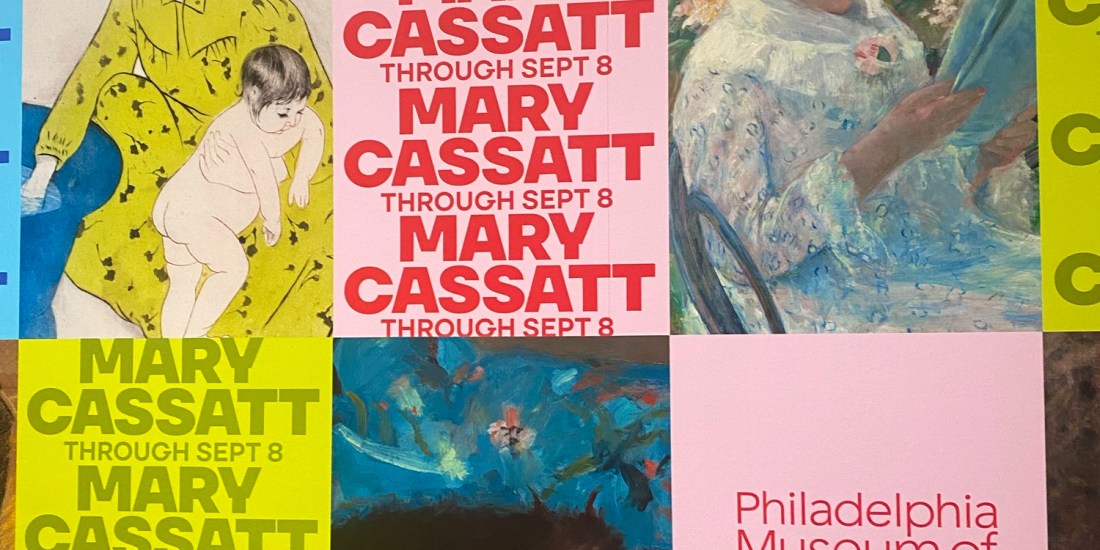
There’s something about Mary in the History of Art. Well, Mary Cassatt (1844-1926) that is. This summer, the modern Miss Americana had her first solo exhibition in the United States in 25 years. A homecoming of sorts at the Philadelphia Museum of Art as Cassatt trained at the Pennsylvania Academy of the Fine Arts at the age of 15. Later, she spent the majority of her professional career and life in France, becoming the only American artist to exhibit alongside the Impressionists. Mary Cassatt at Work examines the life and works of the artist through a social historical lens, highlighting her professional goals and achievements and emphasizing the labor infused into her oils, prints and pastels. More often than not, her works are analyzed solely in light of her gender when discussing her intimacy and leisure scenes, especially her paintings of mother and children. This narrow vantage point limits viewer’s engagement to a gender-based approach thus, manipulating the appreciation for the artist’s extensive oeuvre.
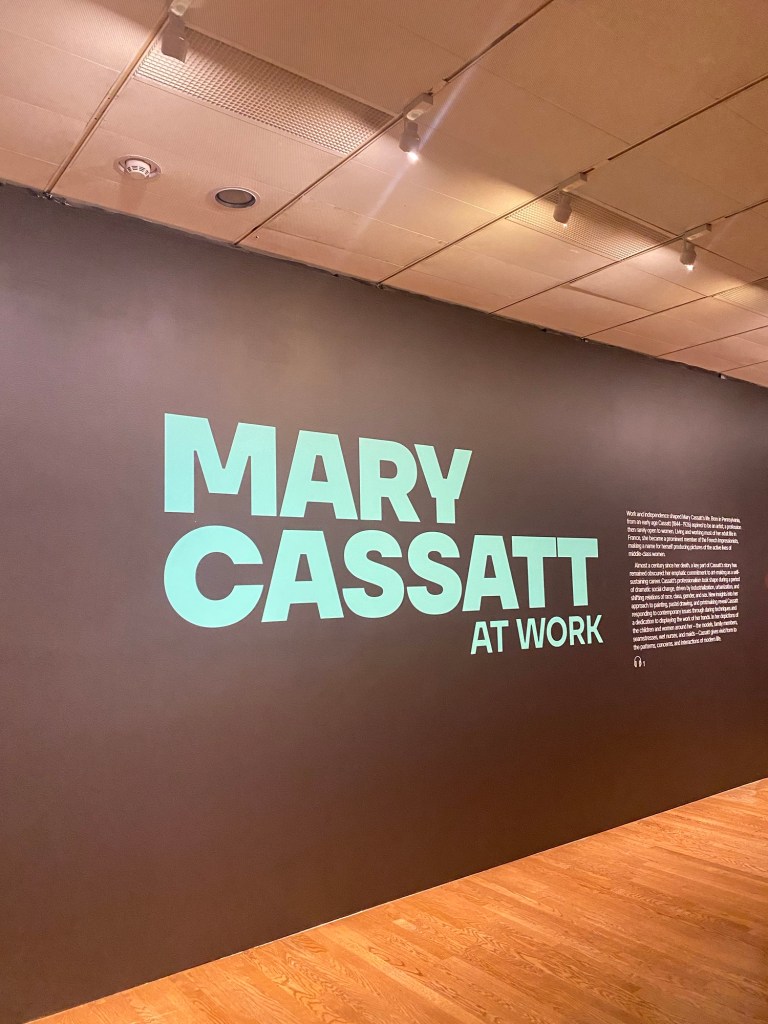
To celebrate this exhibition and further enhance my ever-growing American Art education, I decided to enroll in a four week course on Cassatt’s life and works offered through the Barnes Foundation. A true embrace of summer school. The course was taught by the two curators, Jennifer Thompson and Laurel Garber. These classes enhanced my understanding and appreciation for Cassatt’s craft and techniques, but also provided a behind the scenes glance into the four years of exhibition prep and research that led to the final product that debuted at the Philadelphia Museum of Art in May.
Philadelphia offered a bittersweet homecoming for this exhibition. The PMA’s archives contain hundreds of unpublished handwritten letters from Cassatt and her family members that illuminate her personal and professional life. This rare glimpse into Cassatt’s private life and thoughts is truly unprecedented as she destroyed the vast majority of her correspondence, and did not allow photographs of her studio.
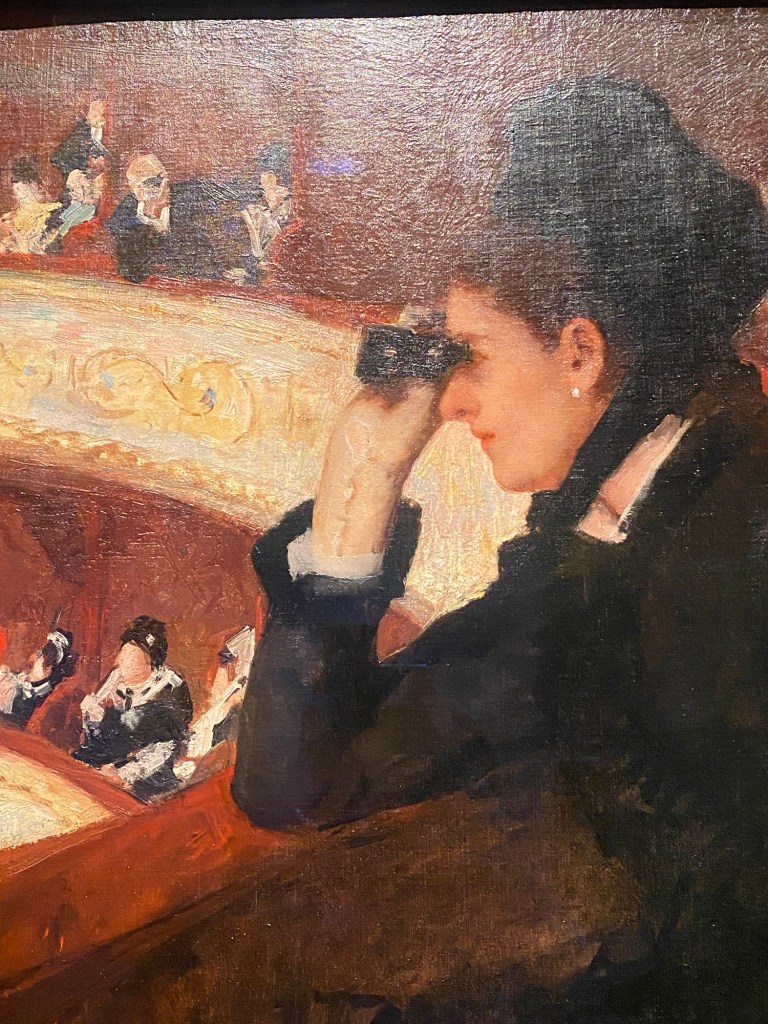
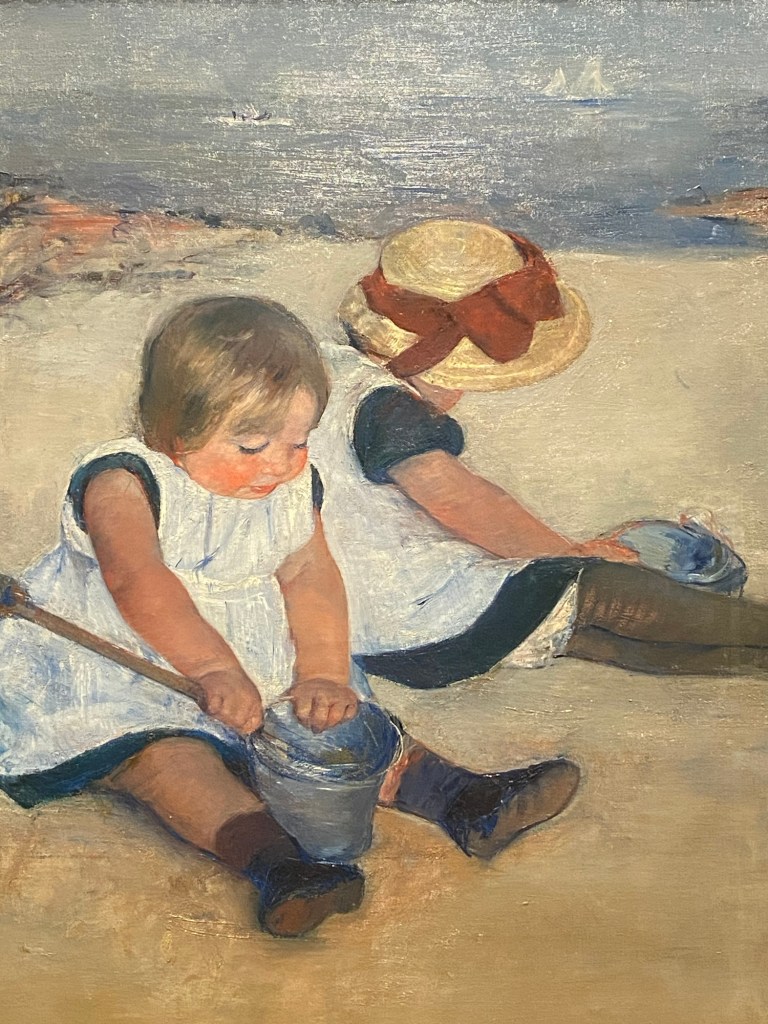
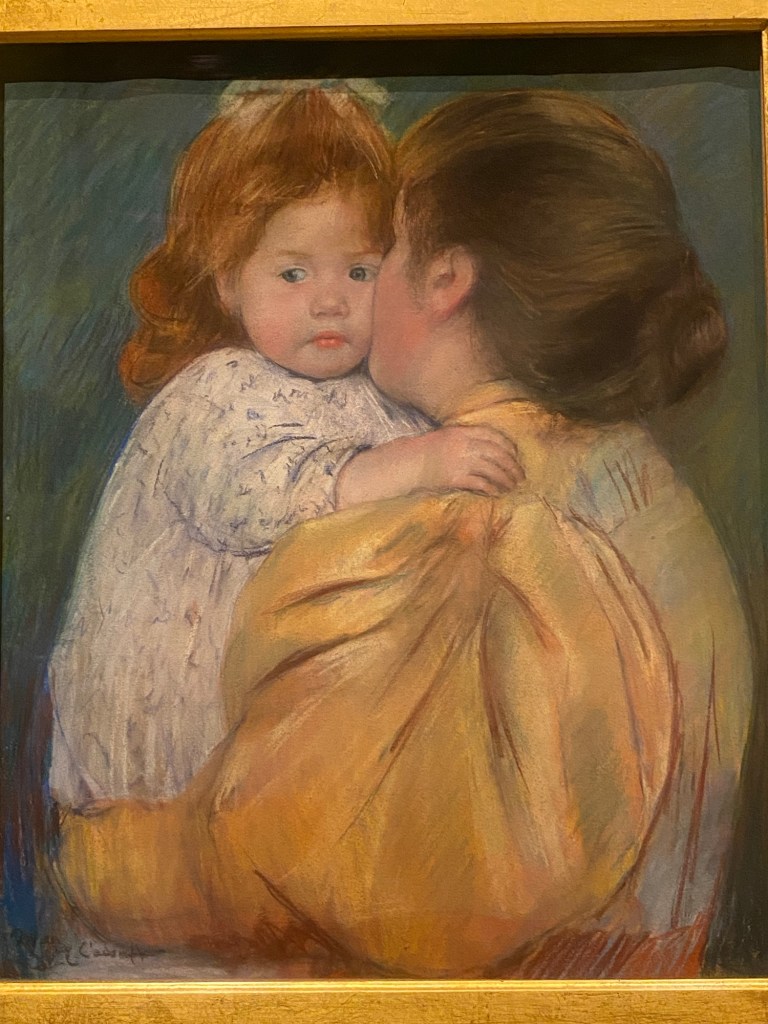
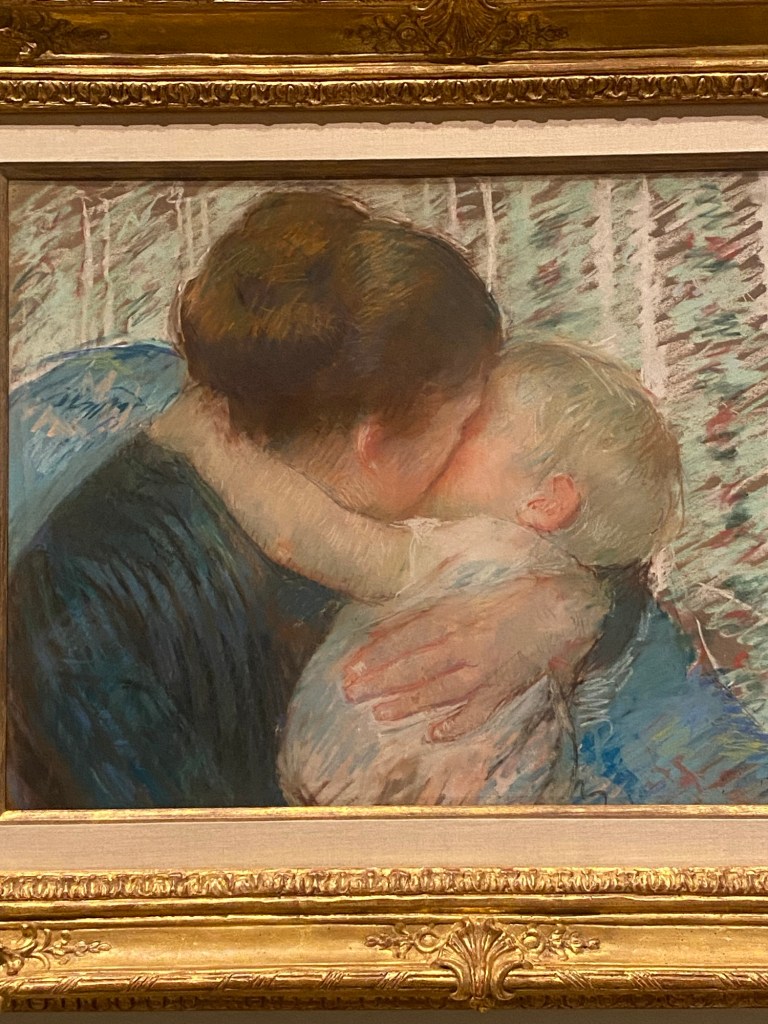
Over 130 works lined the walls of the galleries. The host institution owns 84 works by Cassatt, the majority of which were gifts from the family. The PMA had a vast volume of works at their own disposal to choose from, but still chose to incorporate loans from the Metropolitan Museum of Art, the National Gallery of Art, the Los Angeles County Museum of Art, the Museum of Fine Arts, and private collections among other institutions to guarantee the masterpieces all coexisted under the same roof for this blockbuster show.
The course enabled me to take a behind the scenes look at years of preparatory work that went into the final show. I learned that x-rays and raking light images were used by the curators to glean how Cassatt tweaked some of her masterworks such as Driving (1881) and In the Loge (1879). Another major takeaway for me was learning that only a handful of Cassatt’s original exhibition frames survive. As an attempt to recreate the level of engagement with Cassatt’s work, the curators had Woman in a Loge (1879) removed from its traditional gold ornate frame and installed in a frame that more closely matches the one in which it was likely exhibited in at the fourth Impressionist exhibition in 1879. The curators saw flakes of this putrid green frame color on the edges of the canvas, and through their research knew that Cassatt traditionally exhibited her works in frames of this color and style. I always seek out this piece on every trip to the PMA, and seeing it in a new home (after a cleaning) was a little startling. Woman in Loge went from a loud, gilded ornate frame to a minimalist, cool mint chocolate chip.
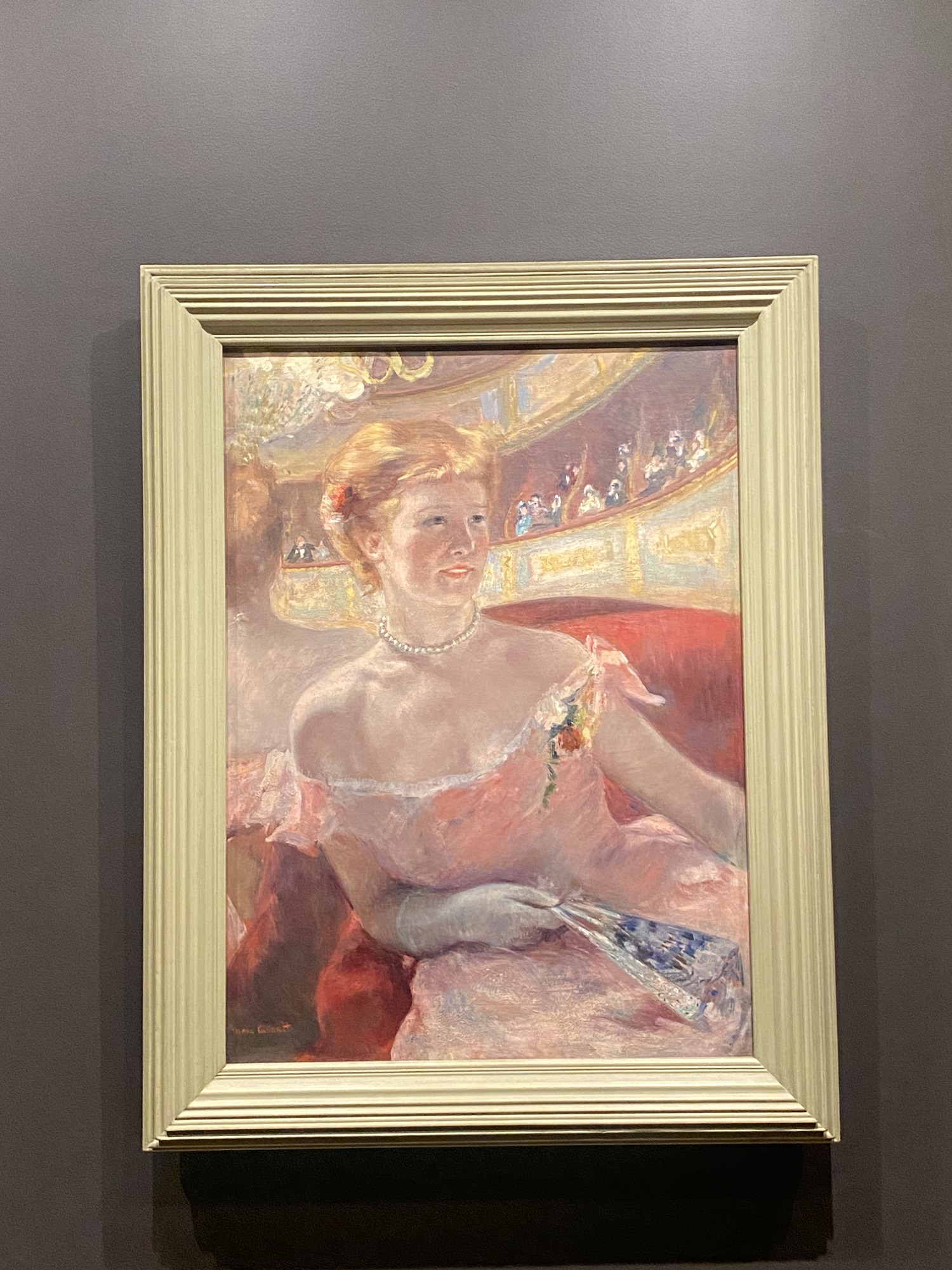
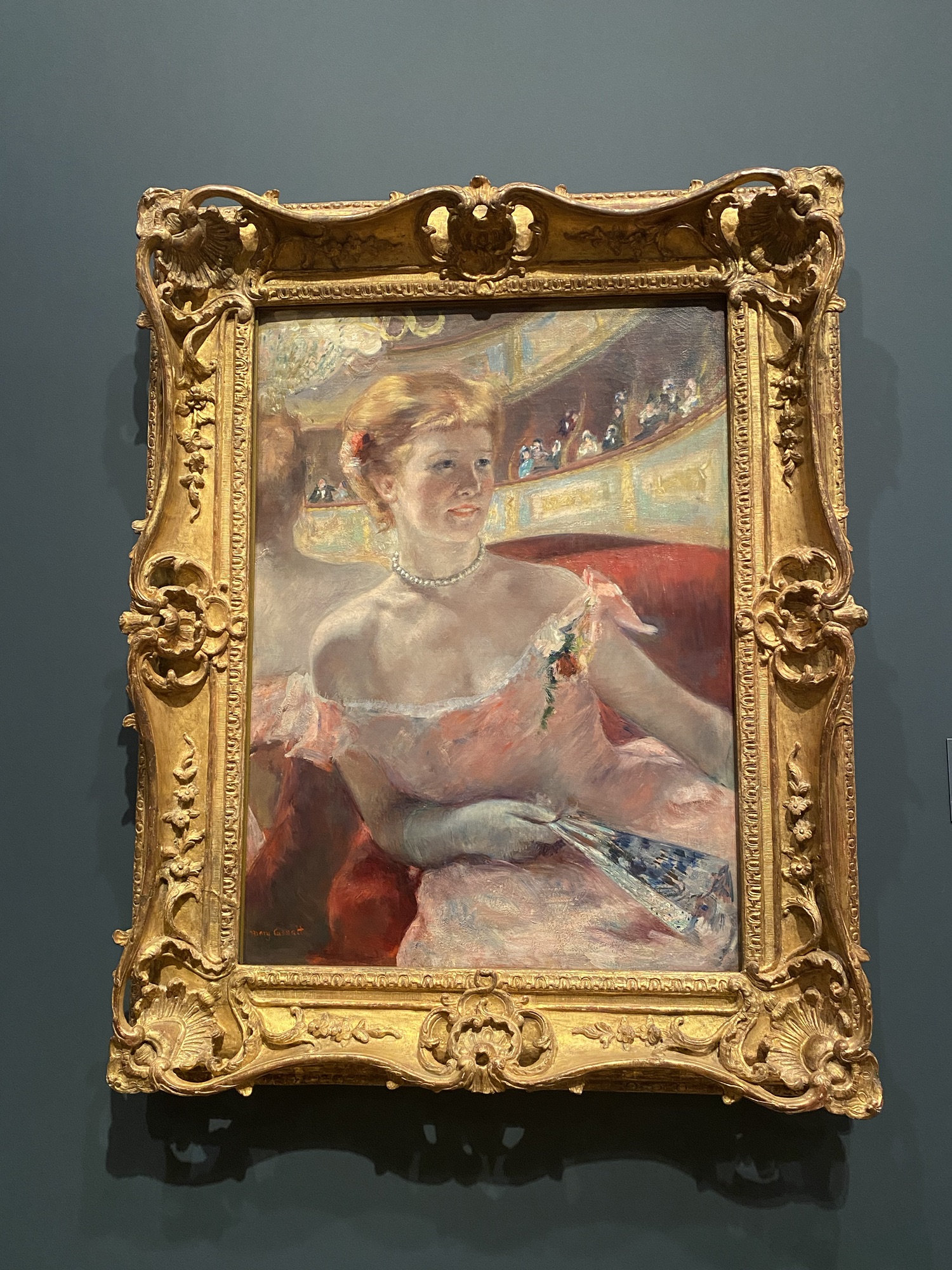
Overall, I am fortunate that I had the opportunity to not only attend the course but visit the exhibition in-between classes. My summer excursions truly enhanced my appreciation and enjoyment of Cassatt’s oils, prints and pastels. It was a timely show for one of the trailblazers in American Art – highlighting her artistic talents and her connoisseurship that led to art collectors in the United States fixation with the work of herself and her colleagues in the Impressionist movement.
If you are reading this and are located on the west coast – the exhibit will be on view at the Legion of Honor in San Francisco from October 5th – January 26th.
Categories: #marysmusings, #museum, arthistory, Uncategorized

 marysmusings.art
1 Comment