
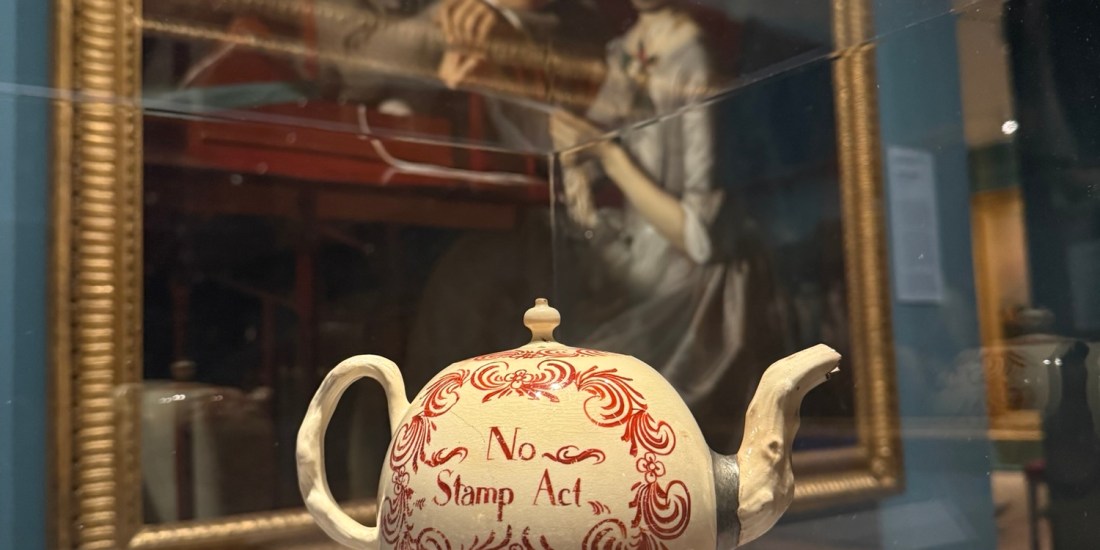
A Semiquincentennial Summer has transitioned into a Founding Fathers Fall – or something like that.
I was fortunate enough to visit 250th-anniversary exhibitions this year in Massachusetts, New Jersey (of course), New York, California, Ohio, Washington, D.C., and Connecticut in tandem with hosting a 250th themed-auction at work. To put it lightly – this summer was my Super Bowl. But it would hardly be a proper celebration of the 250th anniversary of the signing of the Declaration of Independence without a visit to Philadelphia. I had high hopes for the city’s programming, and it delivered. At the top of my list was the highly anticipated A Nation of Artists: 250 Years of Creativity, an exhibition so ambitious in scale that it unfolds across two historic institutions: the Philadelphia Museum of Art and the Pennsylvania Academy of the Fine Arts (PAFA). The exhibition brings together highlights from both institutional collections alongside more than 120 exceptional works from the Middleton Family Collection.
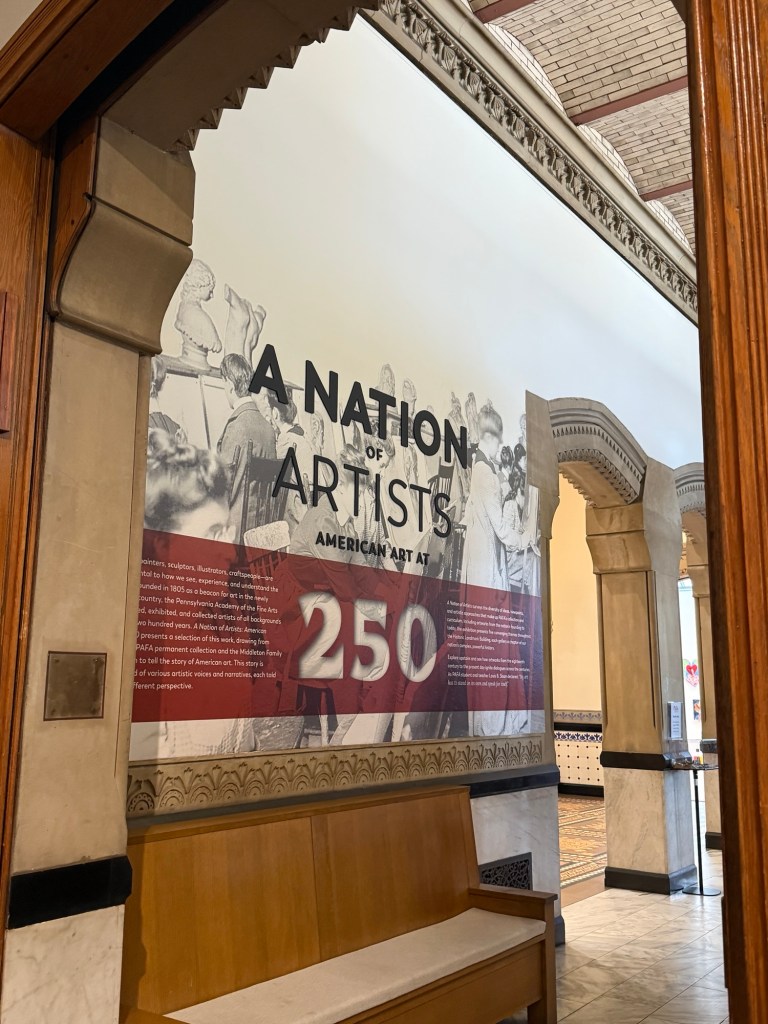
It makes sense that this triumvirate would come together to tell a story spanning 250 years of American creativity. During the Early Republic, Philadelphia was often regarded as the “Athens of America,” long before New York emerged as the nation’s dominant cultural capital. Generations of artists cut their teeth in the city, grappling with the question of what American art could—and should—be. The collections of its encyclopedic museum, its historic art academy, and one of the country’s most distinguished private collections, assembled by Philadelphians, together speak to this enduring legacy.
I began my morning at the Philadelphia Museum of Art, partly for the convenience of its parking garage and, quite frankly, partly out of anticipation of seeing its renovated American art galleries. In 2021, the PMA unveiled its newly reinstalled Early American Art galleries, and in 2026, coinciding with the nation’s 250th anniversary, its broader presentation of American art was refreshed as part of A Nation of Artists. The year also marks the 150th anniversary of the museum’s founding. Since its establishment in 1876, the institution has played a major role in collecting, exhibiting, and teaching generations of Americans about art.
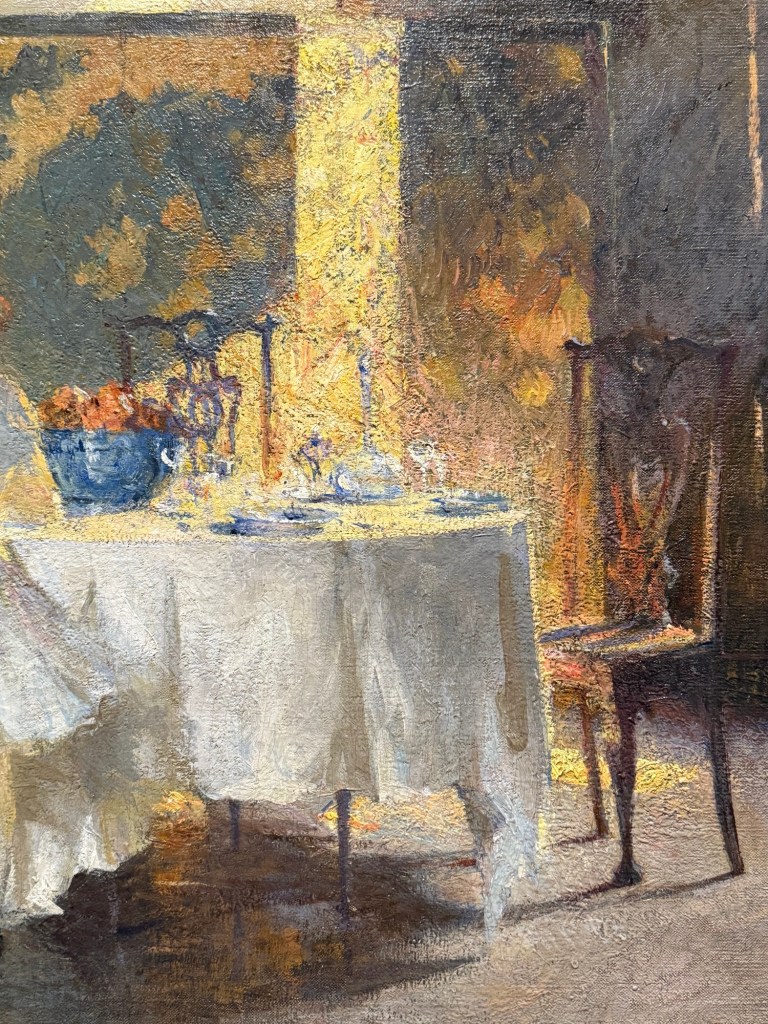
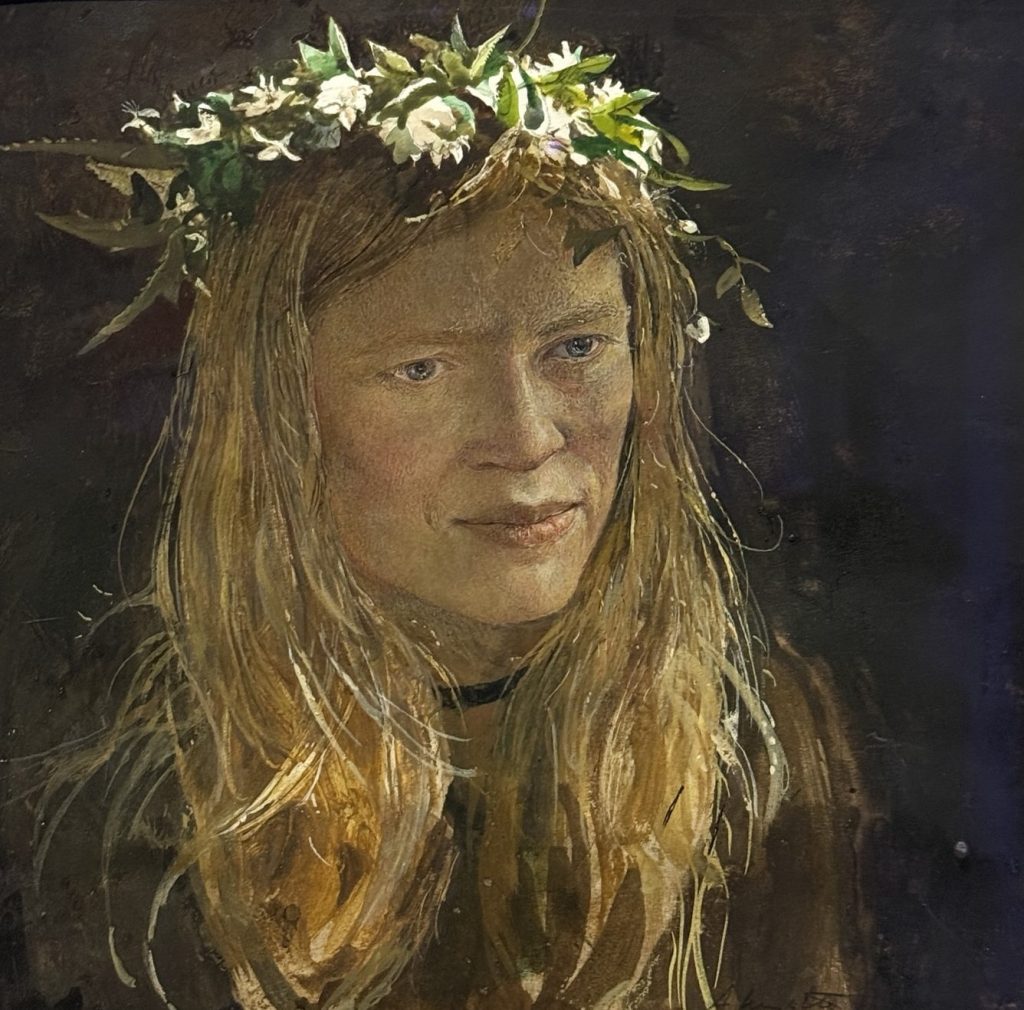
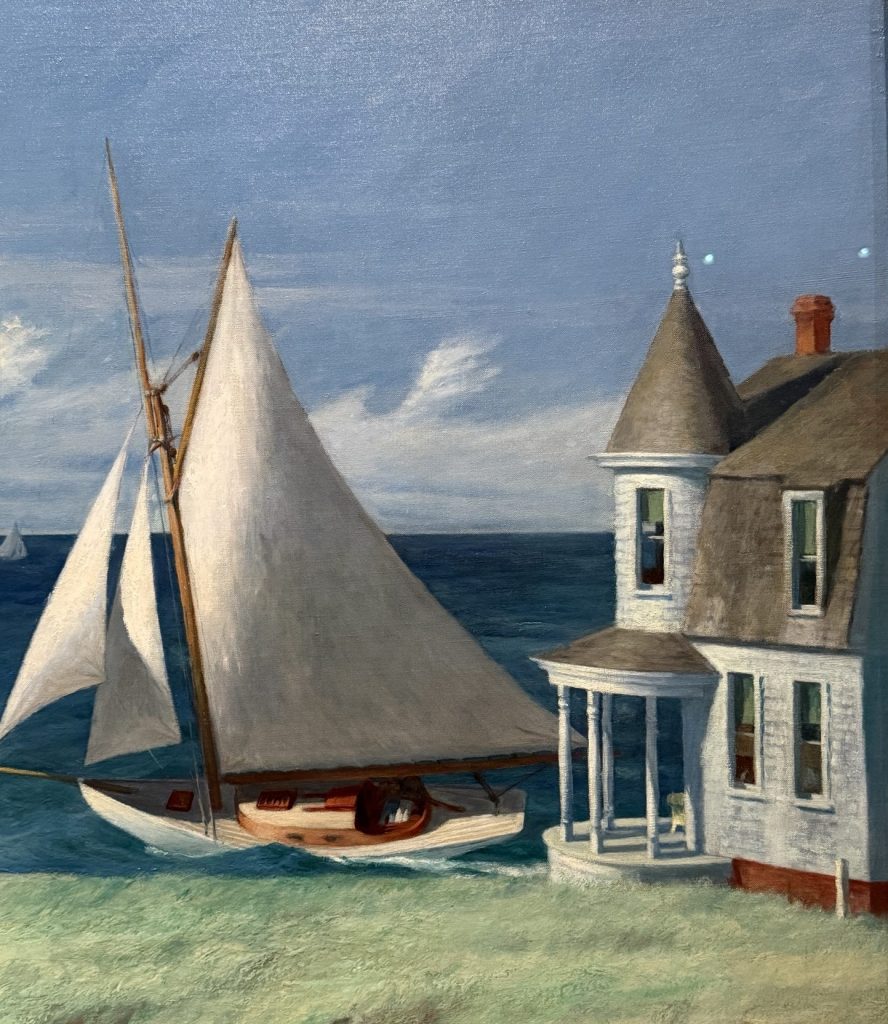
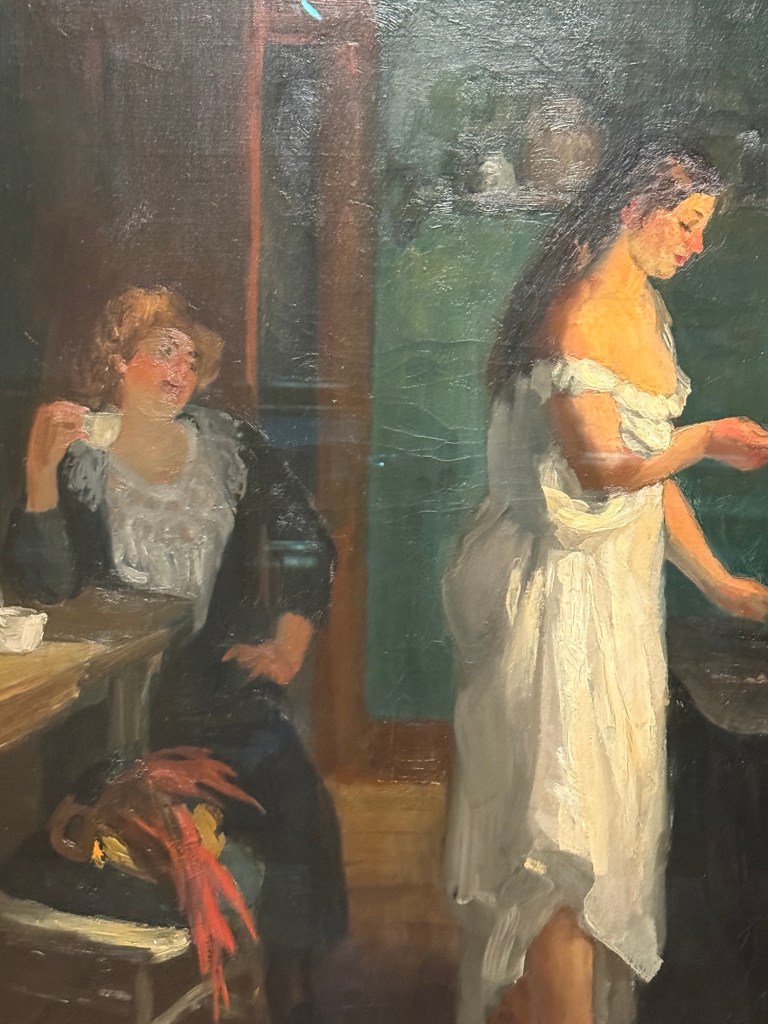
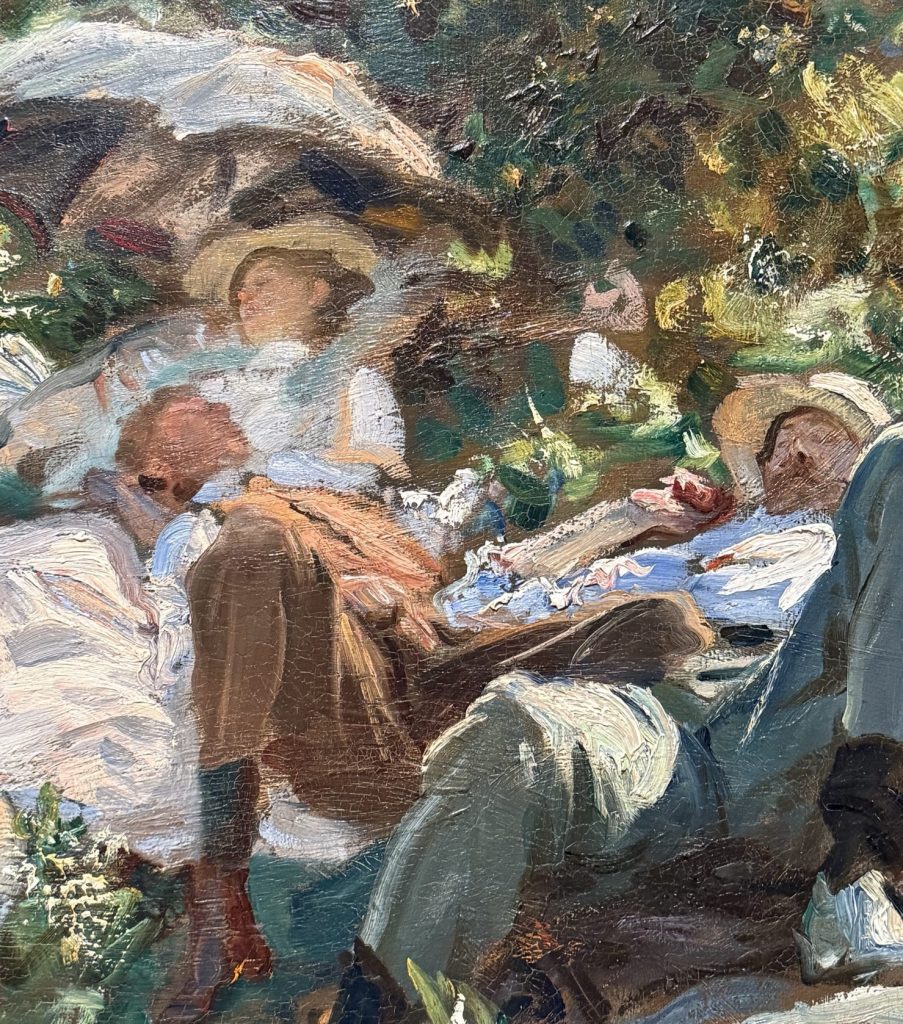
The Pennsylvania Academy of the Fine Arts, meanwhile, was founded in 1805 through the efforts of artists and civic leaders, including Charles Willson Peale and sculptor William Rush. Its founding charter articulated an ambitious vision: to “promote the cultivation of the Fine Arts, in the United States of America,” by encouraging artists to “unfold, enlighten, and invigorate” the talents of their countrymen. More than two centuries later, that mission feels particularly fitting for an exhibition devoted to the evolution of American art.
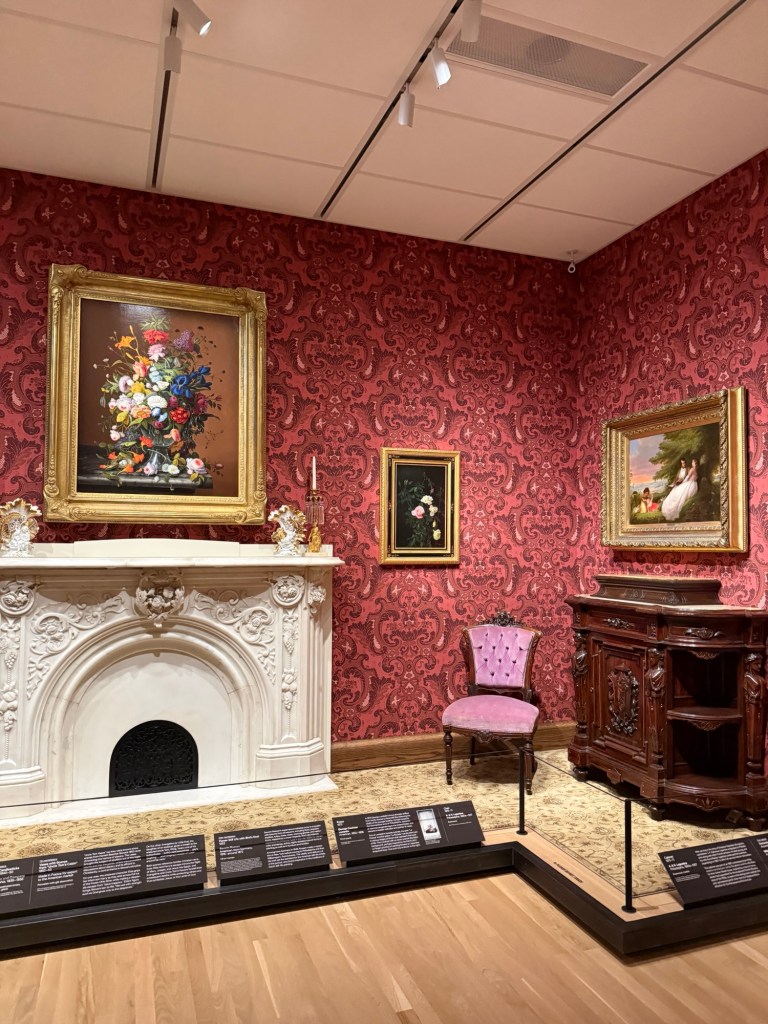
How does one relay 250 years of American art in a handful of galleries? Creatively. At the PMA, the presentation unfolds largely chronologically, allowing visitors to trace the evolution of American art while considering the cultural, political, and social forces that shaped it. The breadth of the collection makes for an especially interesting journey, as quintessential figures and artistic movements are placed within a larger narrative of the nation’s artistic development.
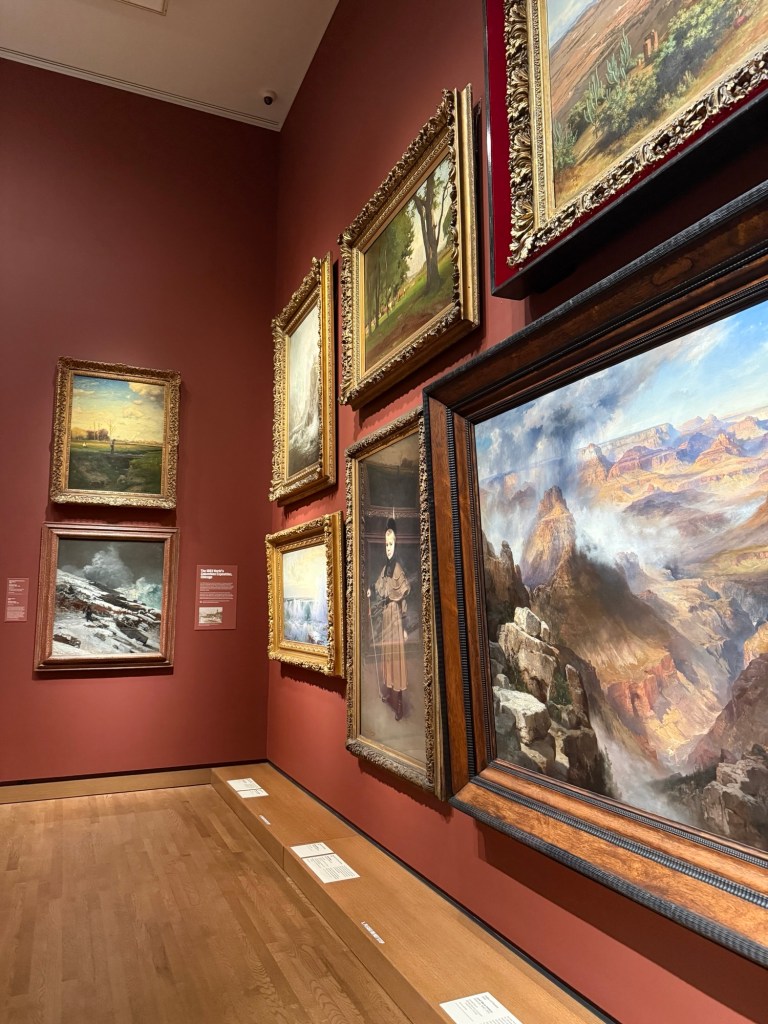
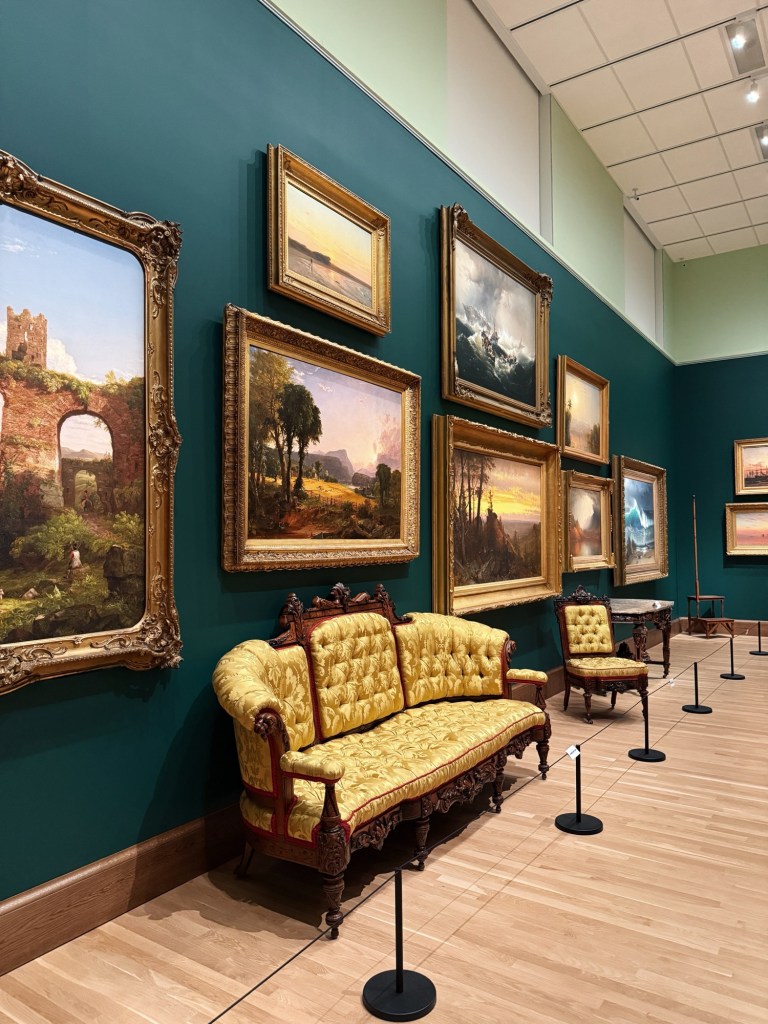
One of my personal favorites was the recreation of a nineteenth-century salon—a dream room for an admirer of the Hudson River School. Hung salon-style, these works illustrate why collectors continue to gravitate toward the movement: they showcase the artists’ mastery of landscape painting while poetically capturing the natural beauty of the American landscape. The gilded frames, paired with mustard-yellow furniture, make the gallery itself a work of art.
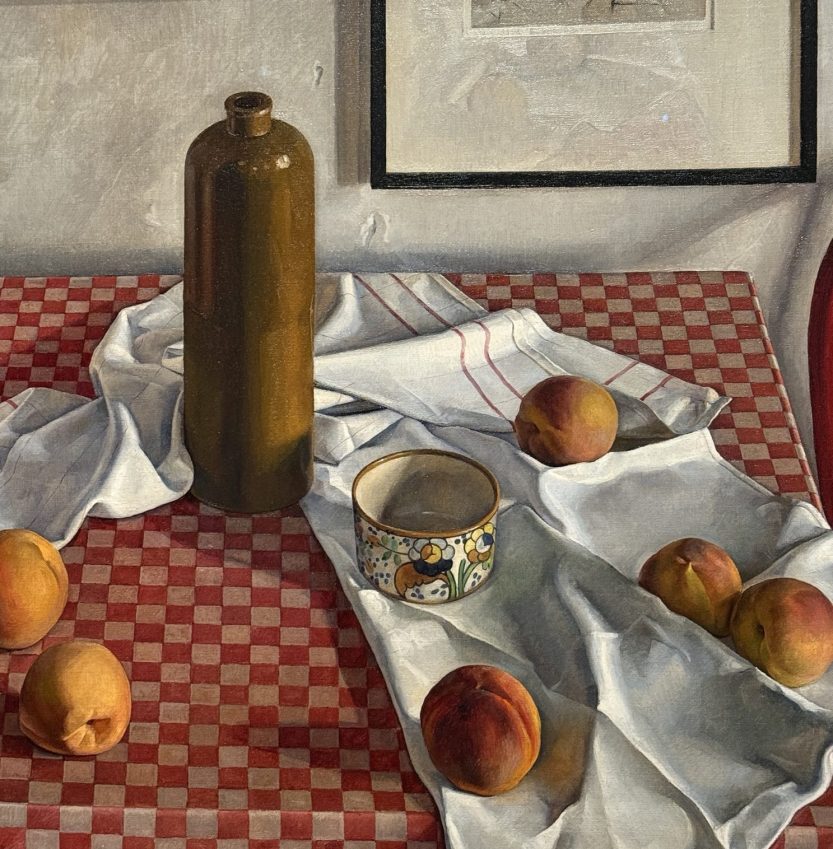
PAFA takes a more explicitly thematic approach, bringing works from different periods into conversation with one another. The galleries explore subjects ranging from prosperity and inequality to international exchange, westward expansion, and the relationship between art, industry, and modernity. Rather than simply presenting a succession of artists who studied at the institution, PAFA’s curatorial approach encourages visitors to consider the recurring questions that have preoccupied American artists across generations. Together, the two presentations offer complementary perspectives on the nation’s artistic origins and evolution, reminding us that 250 years of American art is not a single, linear story, but one shaped by competing ideas, changing ambitions, and an ongoing effort to define a national identity and shared culture.
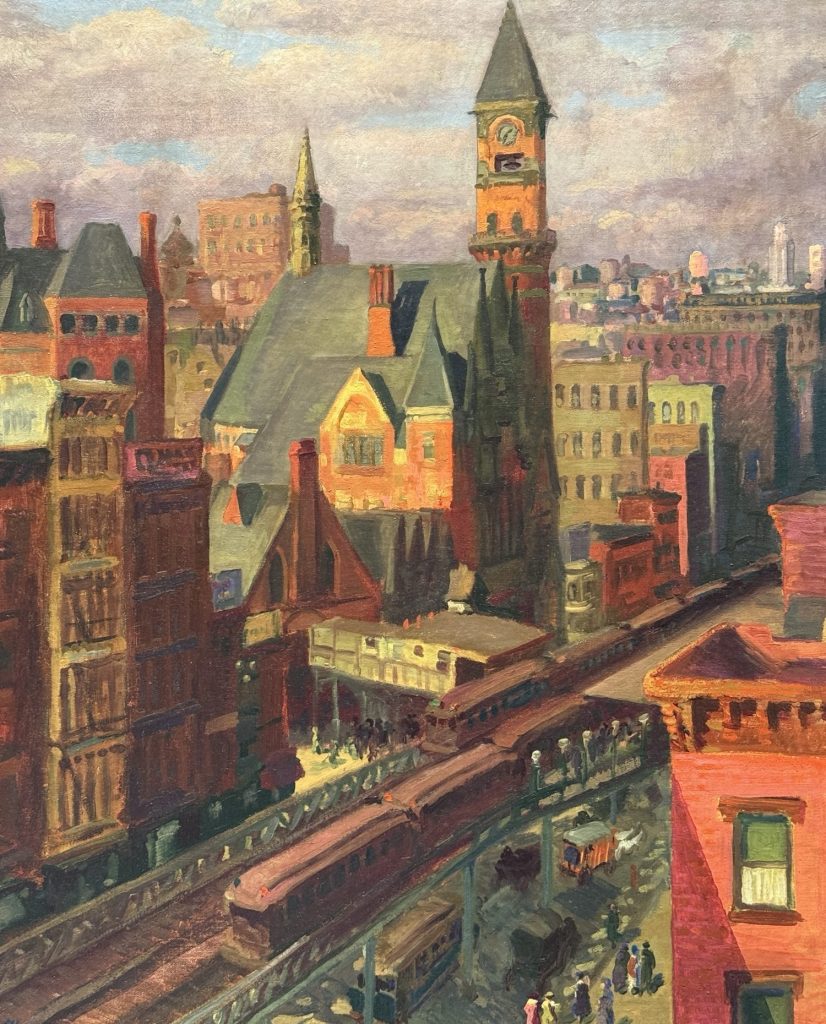
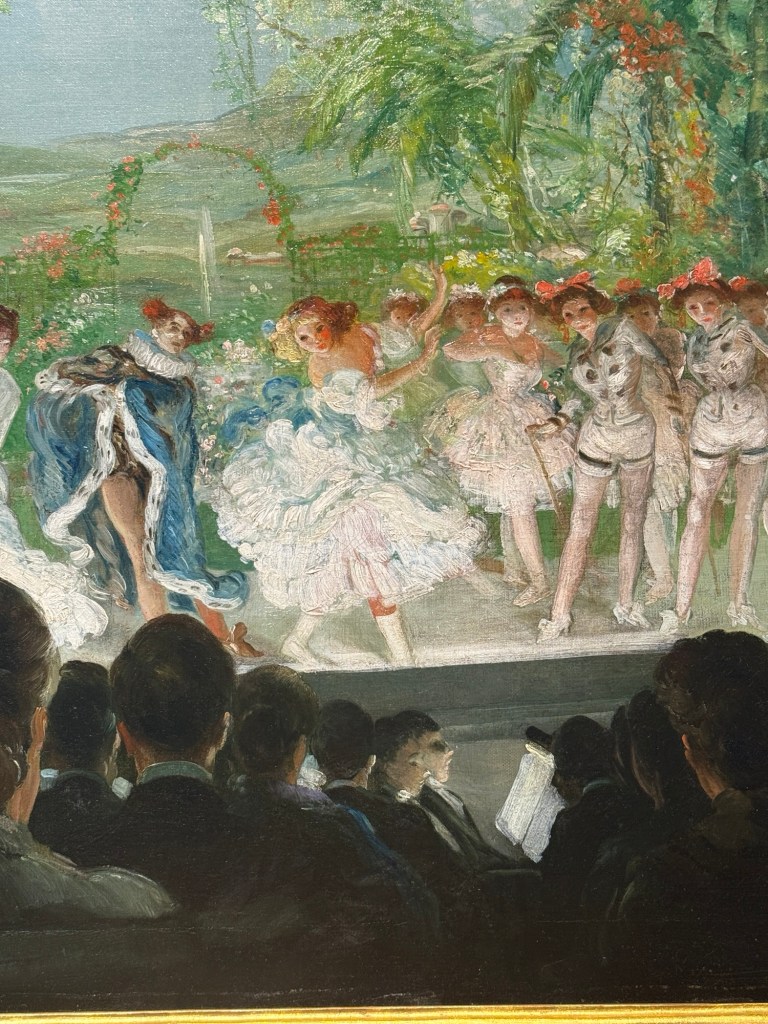
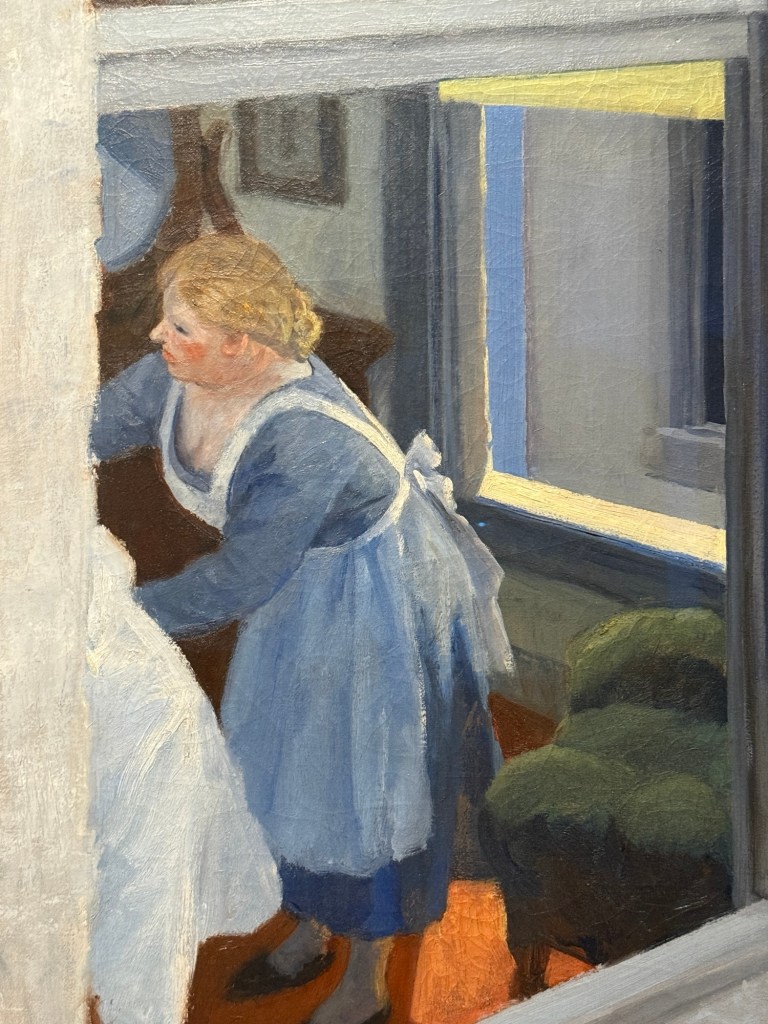
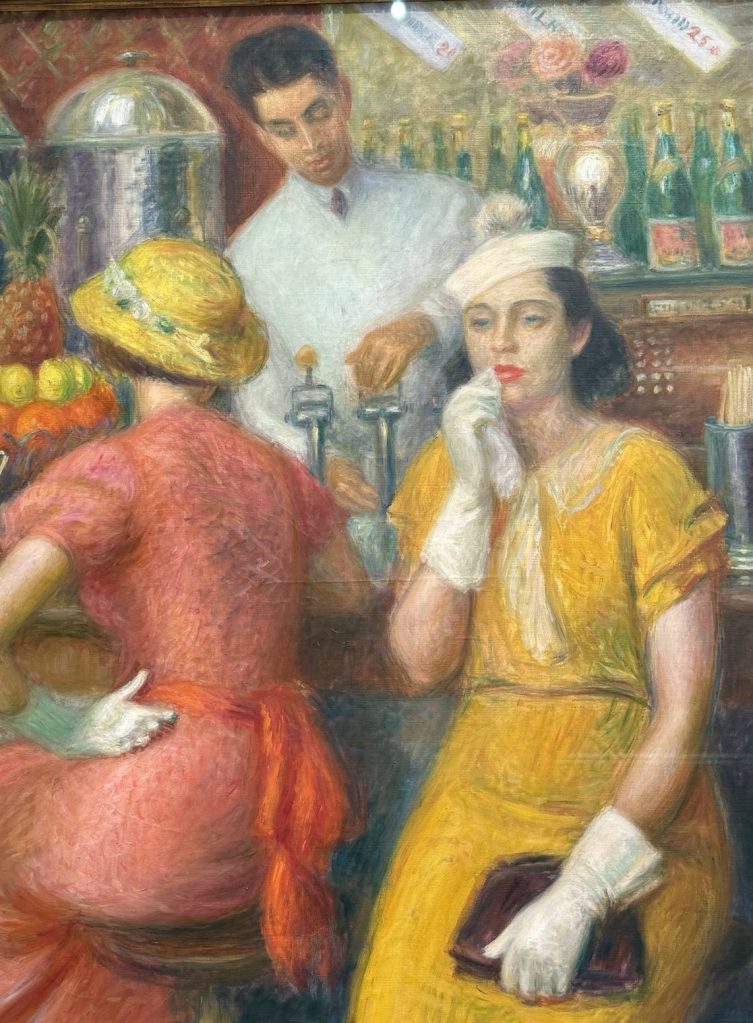
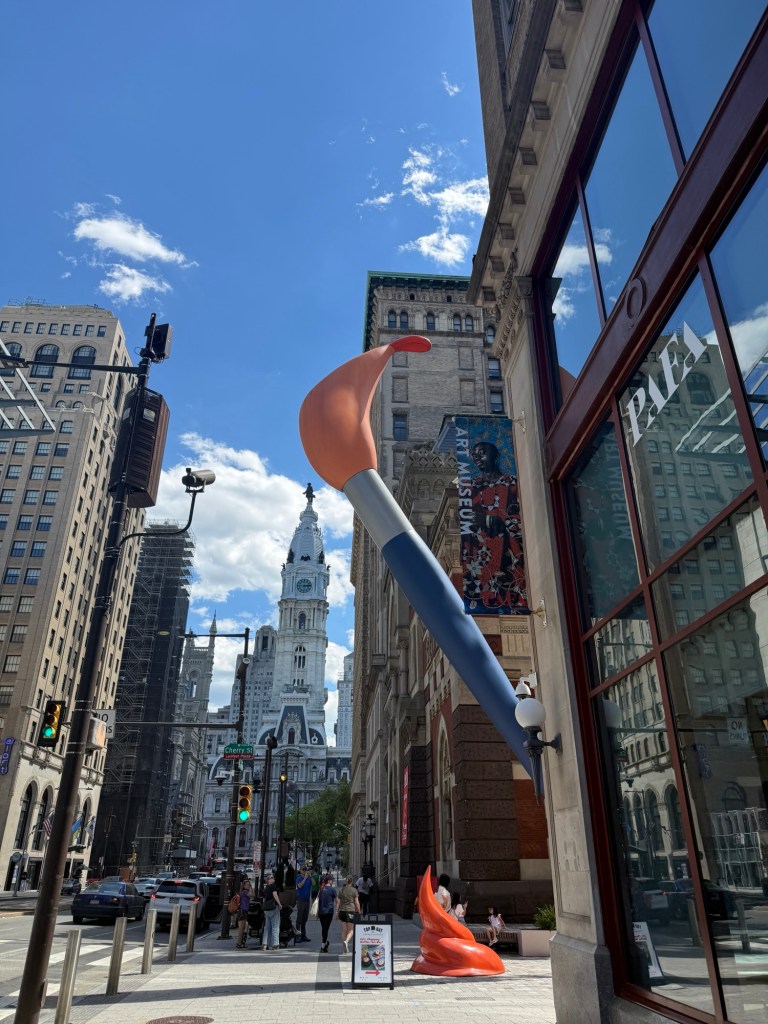
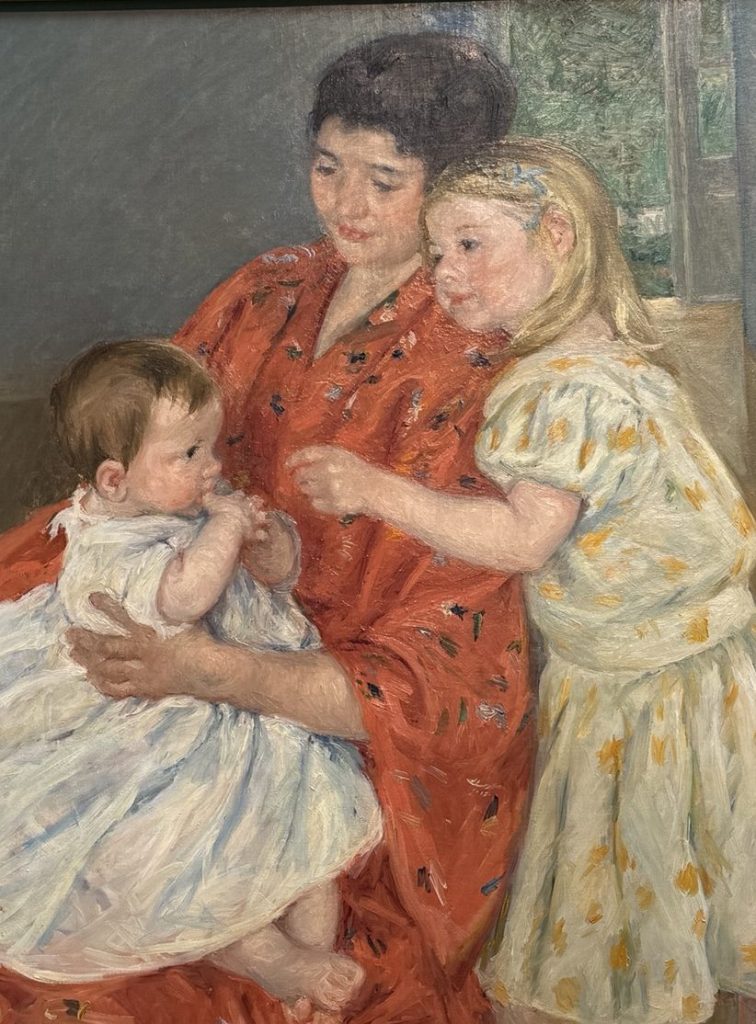
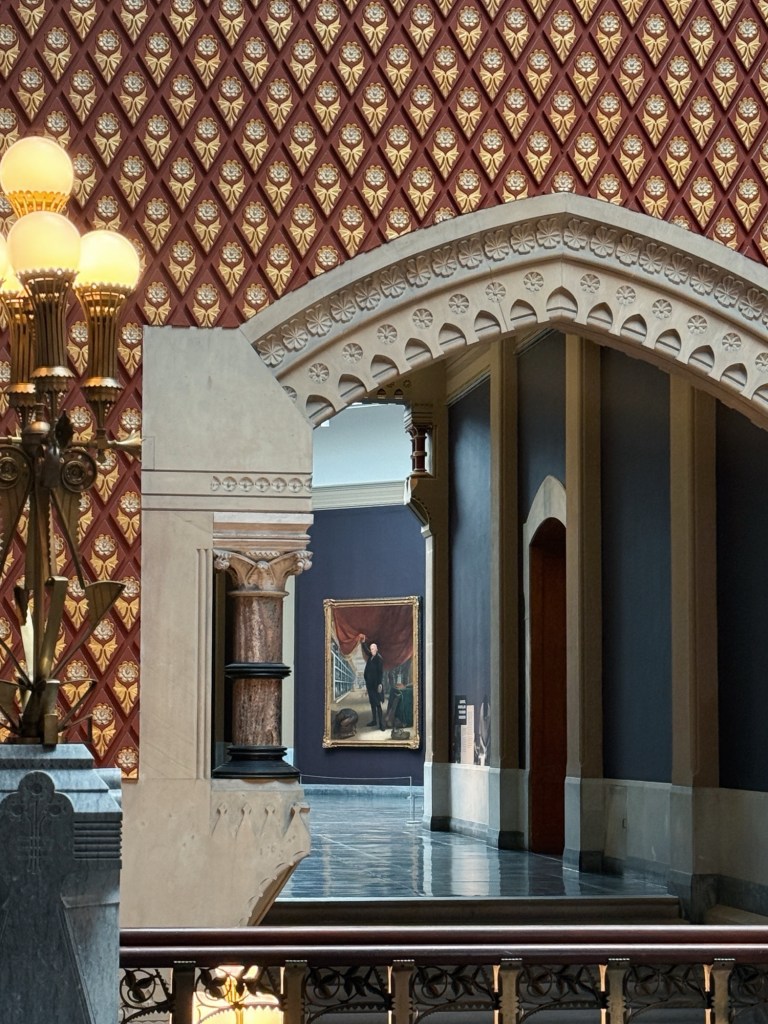
After a summer spent following the semiquincentennial across the country, Philadelphia felt like an essential stop – a homecoming of sorts. The city’s museums offered not only a celebration of American art, but, as someone who works directly in the field, a particularly fitting tribute to the nation’s material and visual culture. The exhibitions provided an opportunity to reflect on the artists, collectors, and institutions that have shaped the cultivation of taste in the United States. I arrived with high expectations for A Nation of Artists and left with an even greater appreciation for the exhibition – so much so that I’ve now seen it twice and highly encourage you to do the same!
Categories: #marysmusings, #museum, arthistory


